

Some links on this page may be an affiliate link, if you make a purchase through the link, we may earn a commission at no additional cost to you.
Written by: Courtney Travels
From Solo Travel to Group Journeys: This Portugal Itinerary Provides a Relaxed and Thorough Guide to Portugal’s Wonders
Whether a solo wanderer or traveling with companions, this 2-week Portugal itinerary guides you through this stunning country with ease and excitement. This guide takes you through Portugal’s rich tapestry of history, culture, and natural beauty, ensuring you don’t miss a beat.
If you are looking for a 4-week itinerary go to our Portugal in 4 Weeks: A Journey Through Time and Beauty.
This journey is planned with practicality, relaxation, varying budgets, and sustainability in mind, utilizing trains, buses, and car rentals for the most efficient and enjoyable travel experience. These routes are thoughtfully laid out to ensure you make the most of your time, letting you soak in the diverse regions of Portugal at a comfortable pace.
From bustling city streets to serene coastal paths, this relaxed yet engaging itinerary of Portugal will uncover its best parts. Whether it’s your first visit or a return trip, our travel guidance is designed to make every moment in Portugal memorable for solo travellers and groups alike.
Overview of Portugal
Portugal, a gem on the Iberian Peninsula, is a land steeped in rich history, vibrant culture, and breath-taking natural landscapes. From the sun-kissed beaches of the Algarve to the historic streets of Lisbon and Porto, Portugal offers a diverse tapestry of experiences. Its unique blend of traditional charm and modern vitality makes it an irresistible destination for travellers seeking an authentic European adventure.
History and Culture
Portugal’s history spans millennia, with influences from various civilizations shaping its cultural fabric. The timeline of Portugal’s history begins with Pre-Roman inhabitants, leading to Roman and then Moorish rule, which left a significant imprint on its architecture, language, and customs.
The Age of Discovery in the 15th and 16th centuries marked Portugal’s golden era, with explorers like Vasco da Gama pioneering sea routes to India, Africa, and Brazil, bringing wealth and cultural diversity.
Portuguese culture is deeply intertwined with its seafaring past, evident in its music, literature, and, most notably, its cuisine. Portuguese food is a rich mélange of sea and land, with staples like Bacalhau (salted cod), the iconic Pastel de Nata (custard tart), and a variety of seafood dishes. Portugal is also renowned for its wines, including the world-famous Port and Vinho Verde.

Local Customs and Etiquette
Portuguese people are known for their warm hospitality. A few essential customs include greeting with a handshake, saying “Obrigado” (Thank you) for services, and respecting local dining hours (later than most European countries). Key phrases in Portuguese such as “Bom dia” (Good morning), “Por favor” (Please), and “Desculpe” (Excuse me) are appreciated.
Seasonal Recommendations
Spring (March to May)
Average Temperature: 12–22°C (54–72°F) Spring in Portugal is a season of festivals like ‘Festa das Cruzes’ and blooming landscapes. It’s ideal for outdoor activities like hiking in the Douro Valley or visiting the historic sites of Lisbon and Porto without the summer crowds.
Summer (June to August)
Average Temperature: 18–28°C (64–82°F) Summer is perfect for beach vacations in the Algarve, with its crystal-clear waters and vibrant nightlife. Festivals like ‘Festa de São João’ in Porto are must-attend events.
Autumn (September to November)
Average Temperature: 15–25°C (59–77°F) Autumn’s mild weather is excellent for exploring the wine regions, particularly during the grape harvest season. Visiting Sintra’s palaces amidst the fall colors is a magical experience.
Winter (December to February)
Average Temperature: 8–16°C (46–61°F) Winter, though cooler, is still pleasant. This season is ideal for city tours in Lisbon and Porto, experiencing Christmas markets, and enjoying indoor activities like wine tastings.
2-Week Itinerary
Day 1–3: Lisbon
Overview
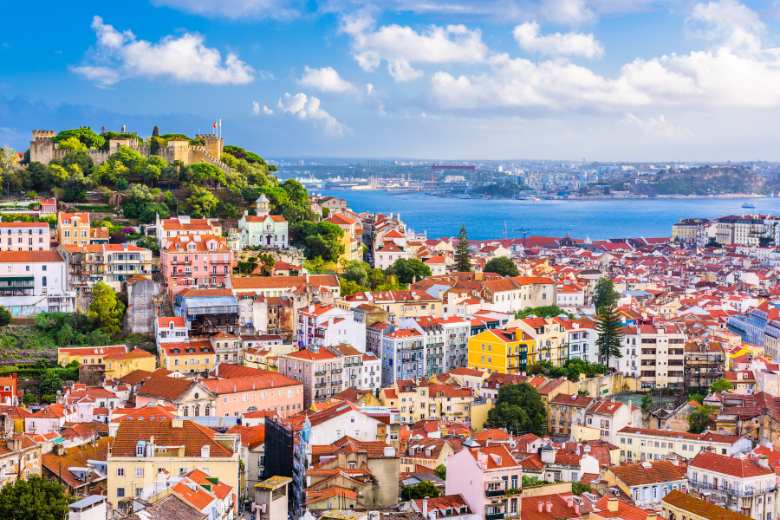
Lisbon, Portugal’s hilly, coastal capital city, blends traditional heritage with striking modernism. Known for its café culture, soulful Fado music, and picturesque vistas, it’s a city that effortlessly marries the old with the new.

Activity
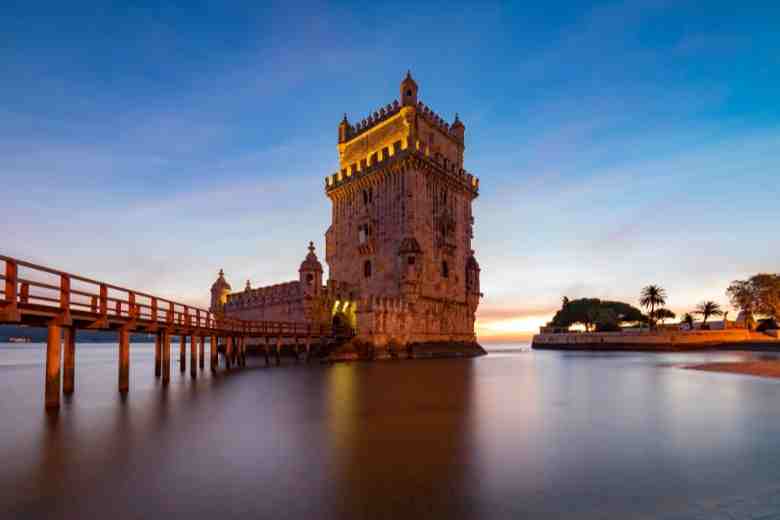
Explore the historic Belém district, visit the Jerónimos Monastery, and taste the original Pastel de Nata. Ride Tram 28 for a tour of Lisbon’s most scenic neighborhoods. For some added historical depth, also visit São Jorge Castle.
Accommodation Recommendations
- Average: Hotel Lisboa Plaza — A charming, family-run hotel in the historic center.\
- Luxury: Four Seasons Hotel Ritz Lisbon — Known for its exquisite service and luxurious amenities.
Dining Options
- Cervejaria Ramiro: Famous for its seafood.
- Belcanto: A Michelin-starred restaurant offering innovative Portuguese cuisine.
Transportation Guide
To Porto: Take a high-speed train from Lisbon Oriente Station to Porto (Approx. 3 hours). Tickets available online or at the station.
Day 4–5: Porto
Overview
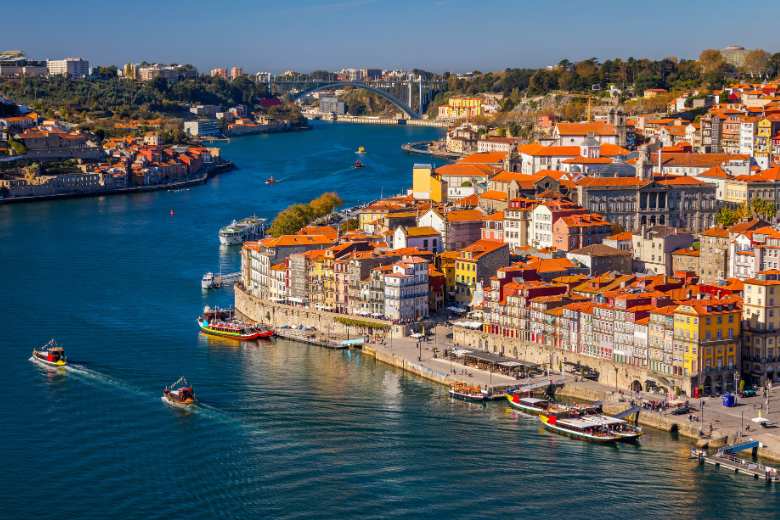
Porto, known for its stately bridges and port wine production, is a coastal city in northwest Portugal. Its historical core, Ribeira, is a UNESCO World Heritage Site.
Activity
Visit the Livraria Lello, one of the world’s most beautiful bookstores, and tour the Port wine cellars in Vila Nova de Gaia. Additionally, a stroll along the Douro River is an unforgettable and relaxed activity.
Accommodation Recommendations
- Average: Moov Hotel Porto Centro — Comfortable and centrally located.
- Luxury: The Yeatman — A luxury wine hotel and spa with spectacular views.
Dining Options
- Cantina 32: Known for its contemporary Portuguese dishes.
- DOP: Local upscale dining by renowned Chef Rui Paula.
Transportation Guide
To Coimbra: Regular trains from São Bento Station (Approx. 1 hour).
Day 6–7: Coimbra
Overview
Coimbra, a riverfront city, is famous for its preserved medieval old town and the historic University of Coimbra.
Activity
Explore the university, one of the oldest in Europe, and stroll through the botanical gardens. Visit the Roman ruins of Conímbriga and Old Cathedral of Coimbra.
Accommodation Recommendations
- Average: Hotel Oslo — A modern hotel with panoramic views of the city.
- Luxury: Quinta das Lágrimas — A luxurious historic hotel with a romantic legend.
Dining Options
- Ze Manel dos Ossos: Best for traditional dishes.
- Arcadas: Elegant dining in Quinta das Lágrimas.
Transportation Guide
To Évora: Take a regional train from Coimbra-B (Approx. 2.5 hours).
Day 8–9: Évora
Overview
Évora, in the heart of the Alentejo region, is known for its well-preserved old town, rich in historical monuments, including a Roman temple.
Activity
Discover the Chapel of Bones and the Évora Cathedral. Enjoy a day trip to the nearby Alentejo vineyards. Additionally, exploring the ancient Roman Temple of Évora also referred to as the Temple of Diana would delivery some historical goosebumps.

Accommodation Recommendations
- Average: Vila Galé Évora — Modern comforts in a convenient location.
- Luxury: Alentejo Marmòris Hotel & Spa — A unique hotel with marble décor.
Dining Options
- Taberna Típica Quarta-Feira: Famous for its Alentejo cuisine.
- Dom Joaquim: Offers a fine dining experience with local ingredients.
Transportation Guide
To Algarve: A train or bus journey to Faro (Approx. 3 hours).
Day 10–12: Algarve
Overview
The Algarve is Portugal’s southernmost region, known for its Mediterranean beaches, golf resorts, and lively towns.
Activity
Enjoy the stunning beaches of Lagos, explore the sea caves of Albufeira by boat, and experience the nightlife of Faro. A visit to the historic town of Tavira or the dramatic cliffs of Sagres are also favourable options.

Accommodation Recommendations
- Average: Hotel Baía Grande — A seaside hotel near Albufeira.
- Luxury: Pine Cliffs Resort — Offers luxury with breathtaking coastal views.
Dining Options
- Casa do Prego: A modern take on Portuguese cuisine.
- Ocean Restaurant: A Michelin-starred restaurant in a cliff-top setting.
Transportation Guide
To Lisbon: Return to Lisbon by train or bus (Approx. 3 hours).
Day 13–14: Lisbon
Revisit Lisbon for any missed sights and enjoy a leisurely exploration of the city’s many neighborhoods, cafes, and museums. Neighborhoods Alfama or Bairro Alto are great choices for a deeper cultural experience.
Wrap up
This itinerary through Portugal promises an immersive journey through history, culture, and cuisine, with carefully planned stops for maximum enjoyment.
If you have four weeks to travel in Portugal, consider adding destinations like Guimarães, Braga, Peneda-Gerês National Park, Largos, and Faro. Check out our Portugal in Four Weeks: A Journey Through Time and Beauty.

FAQs about travelling to Portugal
What is the best time to visit Portugal?
Spring (March to May) and Autumn (September to November) are ideal for pleasant weather and fewer crowds.
Is Portugal safe for tourists?
Portugal is generally very safe for tourists, with a low crime rate. It is generally noted to be safe for solo women travellers.
What language is spoken in Portugal?
The main language in Portugal is Portuguese.
Can I use English in Portugal?
Yes, English is widely spoken, especially in tourist areas. However, its always nice to try and learn a few local words and phrases. As a backup or to assist, your smart phone would have a translator app or you could download one.
What should I pack for Portugal?
Comfortable walking shoes, a versatile jacket, and a mix of casual and smart casual wear.
Are credit cards widely accepted?
Credit cards are accepted in most places, but it’s good to have some cash for smaller establishments.
What currency is used in Portugal?
Portugal uses the Euro (EUR).
What type of power outlet is used in Portugal?
Portugal uses Type F power outlets. Travelers from the USA and UK will need an adapter.
What other travel items should I consider?
Pack items to keep you busy and entertained during the down times such as, wireless headphones, a Kindle or iPad for reading. For other travel needs go check out our Travel & Adventure section for ideas.
Check out our Portugal in 4 Weeks itinerary for a longer more immersive itinerary Portugal in 4 Weeks: A Journey Through Time and Beauty.


3 comments
[…] If you are looking for a shorter itinerary go to our Exploring Portugal: 2-Week Itinerary to See the Best of Everything. […]
[…] a trip to Portugal? We have a Exploring Portugal 2-weeks or a 4-week more in-depth Portugal itinerary – check them […]
[…] If you are looking for a shorter itinerary go to our Exploring Portugal: 2-Week Itinerary to See the Best of Everything. […]